Tuesday, May 7, 2013

Heart Health Check List

Heart disease and high blood pressure are leading causes of many health issues today.  High blood pressure (hypertension) affects about 1 in 3 people worldwide.  Studies have shown that screening and prevention can change this to healthier hearts.  As one gets routine physical check-ups for the entire body, the same should be done for the heart.

Basic check your heart list:
___Heart and vascular exam by health care provider
___Blood pressure*, pulse, weight, height
___EKG

For further evaluation, especially if symptoms are present, and/ or a strong family history of heart and vascular disease see a cardiologist for more testing.

Tests may include:
___Doppler echocardiogram (checks heart valves, size, etc.)
___Stress test - nuclear, doppler or exercise (heart function)
___Heart MRI scan (artery disease)
___Interventional studies like cardiac catherization, angiogram (checks artery blockage, valves)

Help your heart and overall health with these tips:

  1. Maintain a healthy weight.
  2. Eat healthy small portions.
  3. Exercise regularly - every little bit counts! Just do it regularly.
  4. Keep blood pressure* under control.
  5. Keep stress level low.
  6. Get adequate sleep.
  7. Take an aspirin a day if in a high risk group. Check with your health care provider.

*Add home blood pressure checks to your list.  It will help you and your heart!  http://mypatienthandbook.blogspot.com/2009/03/high-blood-pressure-home-checks_21.html

Best health!

Thursday, May 2, 2013

Health Maintenance: How You Gain When You Maintain

Screening tests save lives. Talk to your doctor and do your own research on tests you need and how often. What the guidelines suggest and what you need may be different.

Common screening tests for women include:

1. mammogram/ MRI for breast cancer
2. PAP smear & HPV test for cervical cancer
3. stool check for blood (fecal occult blood test, colonoscopy)
4. EKG, ECHO (stress test if indicated)
5. bone density scan to check for osteoporosis
6. counseling for smoking cessation, alcohol/drug dependence, and domestic violence
7. evaluation for depression and other mental disorders if necessary
8. complete physical exam, and routine blood tests*


Common screening tests for men include same as above except mammogram and PAP smear.


Be sure your doctor goes over the test results with you and explains EVERYTHING! Leave with your questions answered! Be sure to follow up with your doctor to prevent any delays.

Get a copy of your test results. That way you will know if you were told everything and that the information is accurate. Research your results and diagnosis. Things you don't understand, ask again. Getting a second and sometimes third (because you were told different things by each doctor!) evaluation and assessment is sometimes necessary to get what is right for you.

Patients must be their own advocate and take charge of their health. Health maintenance and prevention are so important to one's quality of life. Make it an important part of yours - maintain and gain your best health!

*What Your Blood Tests Mean http://mypatienthandbook.blogspot.com/2012/03/what-your-blood-tests-really-mean.html

Basic Diagnostic Tests http://mypatienthandbook.blogspot.com/2012/04/basic-health-tests.html

Monday, January 28, 2013

How to Make Your Doctor Visit Easier

Visits to your doctor or any healthcare provider can be frustrating and time consuming for all involved.  These are some things you can do to make it an easier and more productive.

One of the first things you want to do is make a written or typed medical history to take with you, especially if this is your first visit to a new doctor. Make a copy for you and your doctor. You both will be able to refer to it as needed. This will save valuable time, and give you and your doctor more time to talk instead of flipping through your medical record. It can be difficult trying to "remember" what test or procedure you had 10 years ago or even last year.

It is a good to make appointments when you are well and stable.  Keep a list of things you want to talk to your doctor about. Update the list before each visit. This way you will be able to keep track of what has been discussed, and what needs to be discussed. Try to talk about the most important things first especially those that need immediate attention. Each time you go for your visit, you can refer to your list and take up where you left off. Be sure to express your immediate concerns first. We all know how short a doctor visit can be.

Request copies of your medical records from all your doctors. "The medical record is the cornerstone of keeping track of everything pertaining to your health." This gives you a complete assessment of all your medical problems. You will be able to check the accuracy of your records, and bring any errors or absent information to your doctor's attention. Let your doctor know about anything you do not understand, or if there is something you are unable to read due to poor handwriting. It is surprising to see how many doctors are often unable to read their own writing.

Schedule your appointment for first available times in the morning or afternoon.*  This will likely ensure that you will be seen on time with a shorter wait time and longer visit.  It will help you and your doctor focus on your total health care versus acute, intermittent health concerns that can easily take up your whole time. Unless an emergency arises, the wait should be less than 15 minutes.  If there is an emergency you should be notified and given the option of waiting or rescheduling, or going elsewhere for treatment. 

The easiest thing you can do is be on time.  Best health!

*How to Make Your Doctor Appointment http://bit.ly/akMrpX

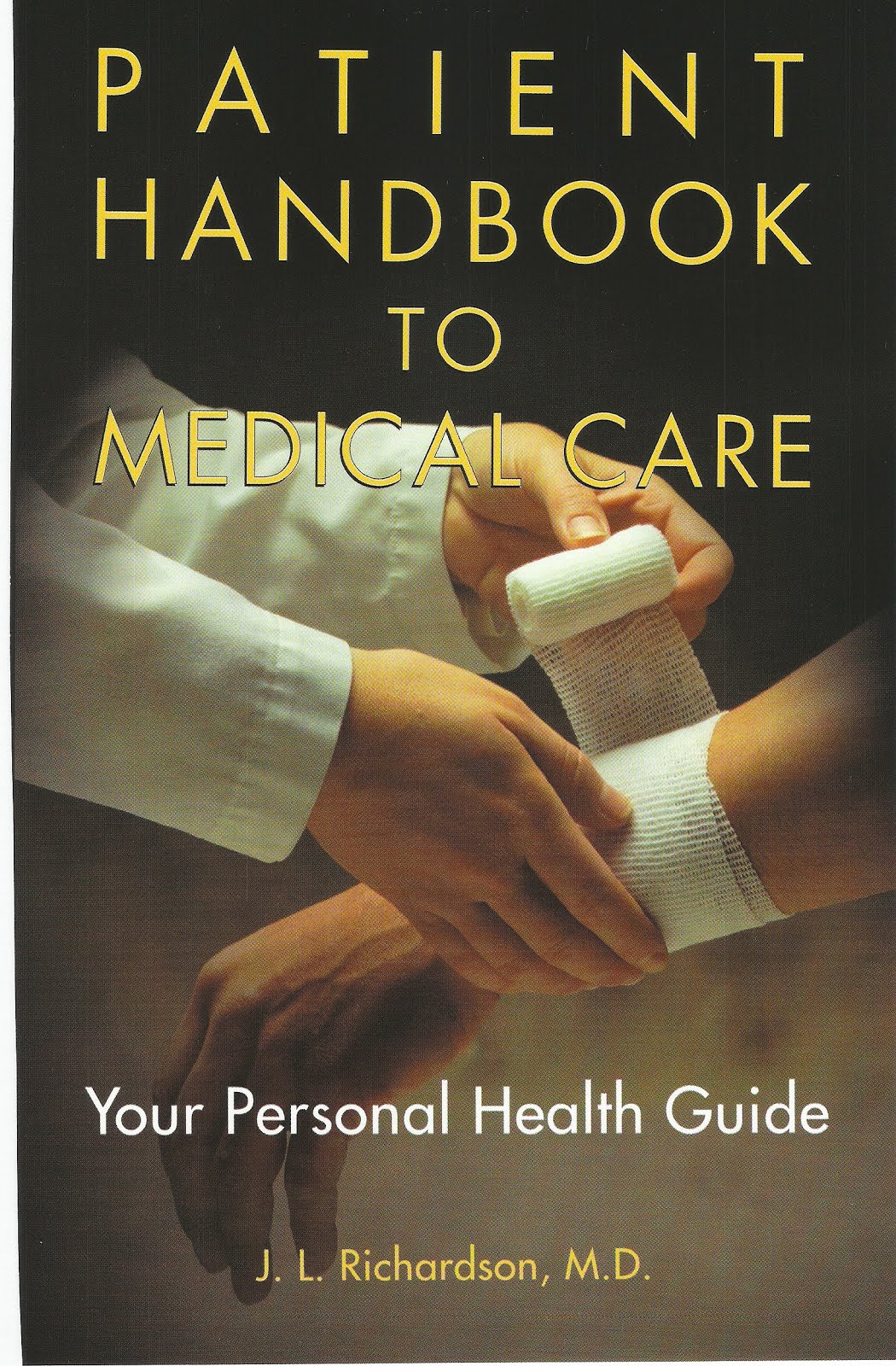
by J.L, Richardson, M.D., family medicine expert and author of Patient Handbook to Medical Care: Your Personal Health Guide, honorable mention of Writer's Digest International Self-Published Book Award** and Indie Excellence Award finalist.

(**Written by a reliable source, this book is the perfect quick reference for all of those squeamish people who hate going to the doctor. I am one of those people. I hate wondering why a certain test was performed, exactly what a common diagnosis may mean, what the proper specialist for my malady might be called, and negotiating the maze of health insurance forms and other paperwork that seems to accompany my ailment; thereby adding insult to injury. To avoid the mystery, misery, and tedium of the wellness process, I often remain sick in order to forego or delay much needed medical appointments. The author writes for people like me; she writes in a calming, professional tone and explains, in as simple and non-threatening a manner as possible, what I can expect along every step of the healing process. By learning to keep a medical diary, knowing what to expect of my medical staff as well as how to decode their complicated language, and then by understanding the basics of the complex American healthcare system, I can take charge of my own healthcare. This little book provides me with all the tools necessary to do just that. ~Writer's Digest)